Friday, 30 March 2012

Saturday, 25 February 2012
Wednesday, 22 February 2012
Evaluation Question 1
In what ways does your media product use, develop or challenge forms and conventions of real media products?
- - - - - - - - - - - - -
Section 1: Using Conventions
As evidence that our media product uses media conventions, I have selected 9 frames from existing soap opera trailers and compared them to 9 frames from our final media product. I have chosen to use this method as it allows an effective visual comparison that is convenient for spotting similarities.

Screen shots collected from various trailers
(click to enlarge)
1: These images were collected from the Eastenders trailer that introduces the characters Kat & Alfie into the soap. The images show a tilt of the female character from her feet up to her head. Neither a low or high camera angle is used, suggesting that a crane may have been used to gradually elevate the camera whilst keeping it level. The tilt continues for a duration of 10 seconds, which creates suspense leading up to the reveal of the female protagonist.
2: This is a screen shot from Emmerdale 'Judgement Day' trailer. The shot used is a close-up of a female protagonist in a car, and is used to capture the character's facial expression. In the trailer, the car is slowly driving past another female protagonist who looks at the female shown in the image. This shot is the second frame of a shot-reverse-shot sequence. The reason this camera angle is so effective is down to the reaction of the female protagonist going hand-in-hand with the brief encounter between the characters that is caused by the moving vehicle. The low-key lighting coincides with the effectiveness of this shot.
3: This shot was also collected from the Eastenders 'Kat & Alfie' trailer, and uses a combination of an over-shoulder shot and a two shot to show 2 female protagonists staring at another character. The expression on the characters' faces and the distance between them suggests that the character they are looking at has interrupted a conversation and caused a disruption. The shot is significant as it denotes the interaction between the characters of the soap, and demonstrates the types of relationships and emotions the programme would involve.
4: Image number four is from the Eastenders 'Judgement Day for Max' trailer, and is conventionally situated at the end of a soap opera trailer to feed the viewer information about the episode and soap details. In this case, the shot type used is a bird's-eye view of the soap location. This shot is significant in the trailer of a soap opera as it concludes the content of the advert.
5: These images were also taken from the Eastenders 'Judgement Day for Max' trailer, and denote a tracking shot of a male protagonist walking. This fact that the camera is following a particular character denotes that they will play a significant role in episode advertised. The low-key lighting creates an ominous atmosphere, which goes hand-in-hand with mysteriousness of the character.
6: Picture number six is from the Emmerdale 'Judgement Day' trailer, and uses similar semiotics to image five. Like picture five, the lighting is low-key and a tracking shot is used to follow the protagonist. The significant difference between the 2 shots is that number 6 shows where the character is heading and the environment around them.
7: This establishing shot is from the Neighbours '45 Second Promo' that advertises the soap's move to Channel Five. The shot is used to highlight the location and setting of the soap opera. An important feature of this frame is the use of natural lighting, which coincides with the natural greenery shown in the scene. This camera angle is significant as it allows the audience to understand the type of lifestyles the characters live, and how they are influenced by the location they live in. The area the soap is set in could also contribute towards the establishment of a connection between the soap opera and the audience.
8: Picture eight is also from the Neighbours '45 Second Promo', and shows a mid-shot of a male character working under the bonnet of a vehicle. The shot is used to briefly introduce the character from the soap through what he is doing. In this case, the character is introduced as being associated with cars or having an interest in cars. This type of shot is significant for trailers advertising new soaps as it provides information about the characters.
9: This shot was collected from the Eastenders 'Mitchell Sisters' trailer, which advertises the introduction of the characters Ronnie & Roxy Mitchell to the soap. Image 9 is a screen-shot taken from the trailer of 2 male protagonists reacting to the characters' arrival. The shot type used is a two shot, which extends into a close-up of both characters' faces. The shot is used to show the reactions of these particular characters to the new characters of the soap. In this case, the male protagonists respond positively, and carry excited and lustful facial expressions. In turn, their responses imply that the new characters will bring excitement and romance to the soap.
After discussing the importance of these shots used in existing soap opera trailers, I have extracted 9 frames from our G324 soap opera trailer Mill Lane, and paired the two sets of images together using their numbers (eg. image 2 from the Emmerdale trailer will be compared to image 2 from our Mill Lane trailer).

Screen shots collected from our G324 soap opera trailer
(click to enlarge)
1: The similarity between the two sets of images is the type of camera movement. Both shots use a tilt to reveal the female character from her feet up to her face. We chose to use this shot as it not only informs the audience that a new character is being introduced to the soap opera, but that their arrival is significant to the programme and will have an impact on the story lines of the soap. The only part of this shot that we developed was revealing the character's face using a low angle. We agreed that using a low angle made the antagonist appear more superior, giving her a powerful and daunting edge.
2: Shot number two is an important part of our trailer as it uses a close-up of the antagonist. Like image two from the Emmerdale trailer, the character is shown through a car window frame. Another similarity is the use of the camera angle, which is to highlight a particular facial expression. In our case, the antagonist is winking at a male character through her car window. We chose to use this shot as it shows the female antagonist interacting with another character of the soap in a positive light. The flirtatious manor of the gesture and natural lighting juxtaposes with the trouble and disruption she brings to Mill Lane, but also tells the audience that her promiscuity is another one of her negative characteristics. Overall, the happy encounter between the characters reflects badly on the female antagonist.
3: Image three uses a two-shot to show two characters having a conversation. At this stage of the trailer, the conversation has been interrupted by the female antagonist. We chose to use this shot as it denotes the disruption the new character introduces to the soap upon her arrival .This shot is successful as the camera angle used is able to capture the characters' facial expressions and body language, which in turn tells the audience about the relationships between the characters and what kind of story lines the soap would entail. We also used this shot to demonstrate conflict between the characters in the trailer.
4: To follow conventions, it was important that our soap trailer included information about the channel and time our soap would be aired. We chose to follow the white-on-black theme as the wording is clear and easy to read, whilst the black background creates a sense of drama and mystery. The reason this frame is an effective part of the trailer is because the amount of information provided is minimal and simplistic, keeping the audience informed but intrigued.
5: Like image five from the Eastenders trailer, we have chosen to use the conventional combination of low-key lighting and a slow reveal. We also chose to include some features in the background that give away the location of the shot. The reason we chose to use this shot was to create a sense of inferiority in our audience members. By tracking the antagonosts footsteps and avoiding the reveal of her face, the viewer associates the character with dominance and control. This shot is effective towards the end of the trailer as it coincides with the low-key lighting, as well as what the audience has learnt about the antagonist throughout the clip.
6: Shot number six is an important part of our trailer as it shows an over-shoulder shot of the antagonist driving into 'Mill Lane'. We chose to use this shot as it signifies a turn of events for the soap opera, and clarifies her arrival to the area. We also chose to use this shot as by using an over-shoulder shot of the character, the viewer is looking at 'Mill Lane' through the antagonist's perspective, which gives the audience the idea that this character is significant to the soap.
7: To follow conventions, we have incorporated an establishing shot of the Mill Lane area into our soap opera trailer. We made sure to use natural lighting in our filming to create a sense of peacefulness and tranquility, which reflects in the natural, rural environment. We chose to use this shot for the same reasons pointed out when describing image seven from the Neighbours trailer: to allow the audience to relate to the characters' lifestyles, and how they are influenced by the area they live in.
8: Image eight denotes a male protagonist working under the bonnet of his vehicle alongside a female protagonist. We chose to use a long shot for this frame as opposed to a midshot as the colour of the car holds connotations of romance and love, which reflects the relationship between the male protagonist and the female antagonist. We chose to use this shot as we found that showing the characters' hobbies and interests is an important part of introducing the characters of the soap to the audience.
9: This image is similar to image nine from the Eastenders trailer in the way that the shot type is used to denote the facial expressions of a particular character. Because we used a two-shot previously in our trailer, we chose to use a shot-reverse-shot to make the character reactions the focal point of this scene. This shot is significant to this trailer as it demonstrates how the characters interact with each other, and how the events of the trailer will affect the soap opera. This is important in our soap as it allows our audience to predict what type of story lines and relationships will unfold.
In our G324 soap trailer, we incorporated semiotics and elements of mise-en-scène into our product in accordance with conventions. We had an understanding of how important these qualities are when filming from our experience when making our Preliminary Task and G321 Film Opening

(click to enlarge)
An example of our trailer using semiotics conventionally is the colour of the cars. The female antagonist, Rachel Mannings, is seen driving a black car, which holds connotations of death and evil. We also see a male protagonist, Ryan Parker, working under the bonnet of a red car before he meets Rachel. The colour red connotes love and romance, which foreshadows intimacy.
Another convention we ensured to follow was the use of a voice over and titles scene. Through watching numerous existing soap opera trailers, our group understood the importance of this convention. It is conventionally situated at the end of every trailer, which can be proven in the following clips:
Another convention we ensured to follow was the use of a voice over and titles scene. Through watching numerous existing soap opera trailers, our group understood the importance of this convention. It is conventionally situated at the end of every trailer, which can be proven in the following clips:
- - - - - - - - - - - - -
Section 2: Challenging Conventions
As a group, we felt it was important to challenge a particular convention for the benefit of our trailer.
The lighting in our trailer is inconsistent, and gradually transitions from natural lighting to low-key lighting throughout the trailer. I have collected screen shots from our Mill Lane trailer and 2 other existing media texts at 10 second intervals to demonstrate the differences in lighting.
The lighting in our trailer is inconsistent, and gradually transitions from natural lighting to low-key lighting throughout the trailer. I have collected screen shots from our Mill Lane trailer and 2 other existing media texts at 10 second intervals to demonstrate the differences in lighting.

(click to enlarge)
The purpose of using inconsistent lighting in our trailer was to establish a correlation between the key of the lighting and the length of time that the antagonist spends in Mill Lane. The message this effect sends to the audience is that the antagonist brings disruption to 'Mill Lane', and that the longer she stays in the village, the more havoc she causes.
- - - - - - - - - - - - -
 The thought process behind this effect was to begin with a slow-paced, rural music piece before Rachel's arrival to reflect the peaceful and relaxed environment in which the soap is set. Then, as we see the antagonist driving into 'Mill Lane' whilst slapping her radio, a static white noise acts as a transition that transforms the slower, old fashioned music into a more lively, fast-paced music piece.
The purpose of using inconsistent lighting in our trailer was to establish a correlation between the key of the lighting and the length of time that the antagonist spends in Mill Lane. The message this effect sends to the audience is that the antagonist brings disruption to 'Mill Lane', and that the longer she stays in the village, the more havoc she causes.
- - - - - - - - - - - - -
Section 3: Developing Conventions
The convention we developed for our G324 trailer was the consistency of the music. Soap opera trailers tend to play the same piece of non-diegetic music throughout throughout the text. This can be proven in the 3 soap opera trailers embedded above.
We have chosen to develop the convention of music consistency by starting our trailer with one non-diegetic music piece, and changing it to another through the use of a sound transition.
 The thought process behind this effect was to begin with a slow-paced, rural music piece before Rachel's arrival to reflect the peaceful and relaxed environment in which the soap is set. Then, as we see the antagonist driving into 'Mill Lane' whilst slapping her radio, a static white noise acts as a transition that transforms the slower, old fashioned music into a more lively, fast-paced music piece.
 The reason we decided that this was a development of a convention as opposed to a challenge is because we are not defying the use of non-diegetic music in our piece, but adapting the consistency of the music to our narrative plot. The reason we chose to develop this convention was to symbolise the changes that the antagonist will make to Mill Lane through the change in the style of music, which in turns affects the atmosphere of the trailer.
Wednesday, 25 January 2012
Use of Editing Software In Our G324 Project
When creating our initial drafts for our poster and magazine cover, we used Microsoft PowerPoint to create a very basic version of what we want our products to look like. As a group, we knew that if we wanted to achieve a high mark for our project, we had to step out of our comfort zone and be adventurous with new editing techniques and programmes.

G.I.M.P. (GNU Image Manipulation Programme) is a programme that is available to download for free online. We chose to use this programme for several particular reasons:
- I have used this programme before and can work with it
- The programme is new to my group members, which enables them to learn how to use a different piece of editing software
- G.I.M.P. is more challenging than Photoshop, which means getting a better outcome would take more work
- G.I.M.P. is 100% free, so all of our group members can download it and learn how to use it in ttheir own time
- Most of our classmates will be using Photoshop, so using G.I.M.P. would make our products unique and original
Overall, G.I.M.P. will bring something new and challenging to our group work, and further our knowledge of media editing techniques.
Sunday, 25 December 2011
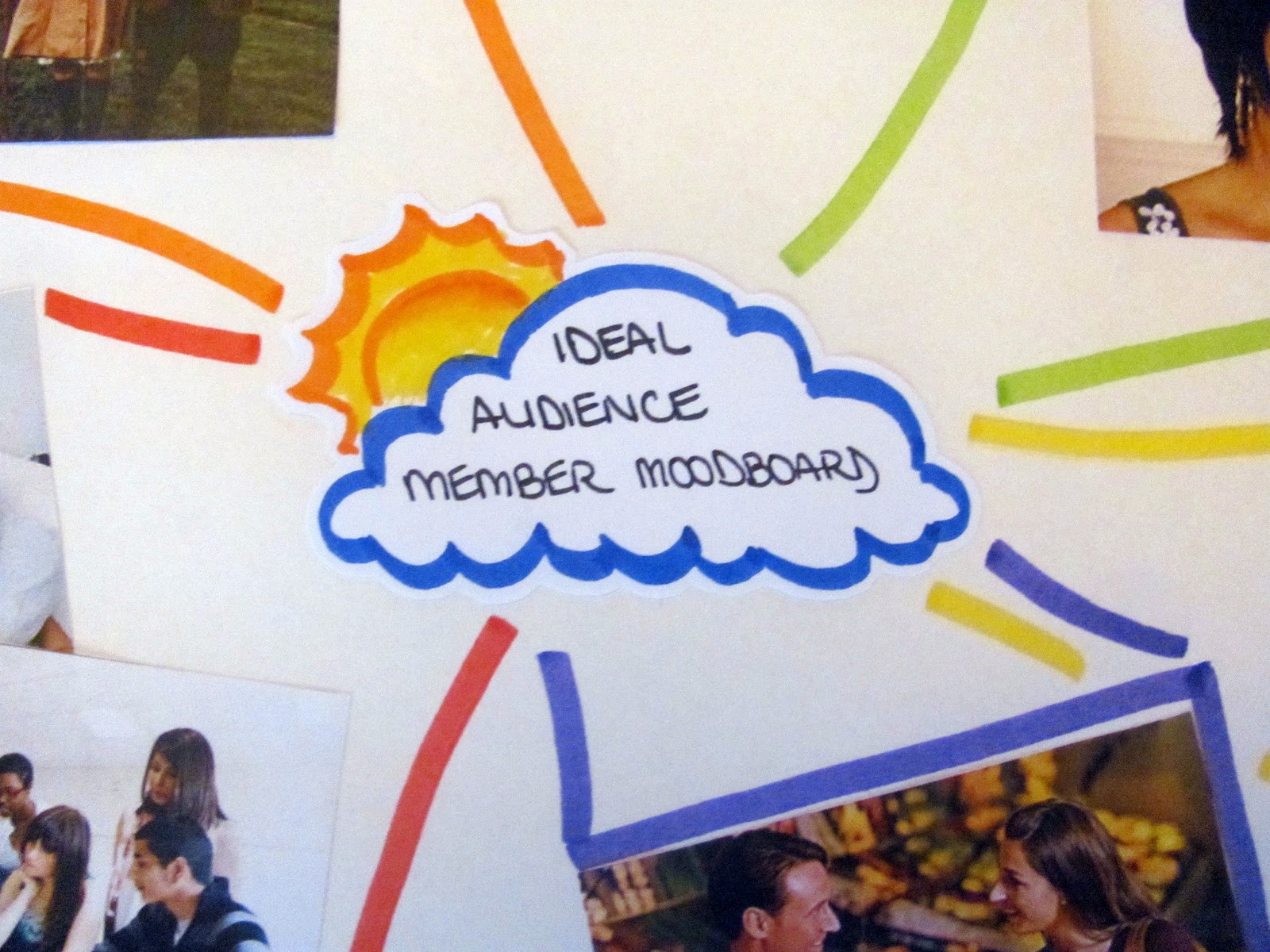
Ideal Audience Member Moodboard

(click to enlarge)
As part of my research and planning, I have created a small mood board to show the qualities of Mill Lane’s ideal audience member. The areas that I have covered are regionality, age, social class and ethnicity as they are the most relevant to our target audience.


(click to enlarge)
Regionality
Regionality is important as it allows the audience to understand the influences that a location can have on the characters of the soap. It also gratifies the audiences members' personal needs by allowing them to compare their lives to those of the characters'.
Because our soap is set in the countryside, our ideal audience member would live in a rural location. This means that our audience can relate to the hobbies, activties and lifestyle of the characters.
I've also decided that because our soap puts a modern spin on the traditional rural soap by including a young and inner-city character, our soap opera appeals to a wider range of audiences, including people who live in urban areas.

Age
Age is important as it allows the audience to relate directly to the characters in terms of morals, beliefs, experiences, interests and problems. It also gratifies the audiences members' personal needs by allowing them to compare their lives to those of the characters'.
Our ideal audience member would not have a certain age as our soap opera would appeal to a range of different age groups. Because the characters of Mill Lane range from sassy young females to bitter elderly residents, viewers of all ages are able to engage with the soap.
Families would be the most beneficial target audience group for our soap as the age range is likely to be quite broad, and could include as many as 3-4 generations. The reason we chose to target families over other audiences is because of their influences on each other.
If a family watches TV together in the evenings, then they are watching the same programme together. Therefore, if one member of the family watches our soap, then the other members of the family will also watch our soap.
Our ideal audience member would not have a certain age as our soap opera would appeal to a range of different age groups. Because the characters of Mill Lane range from sassy young females to bitter elderly residents, viewers of all ages are able to engage with the soap.
Families would be the most beneficial target audience group for our soap as the age range is likely to be quite broad, and could include as many as 3-4 generations. The reason we chose to target families over other audiences is because of their influences on each other.
If a family watches TV together in the evenings, then they are watching the same programme together. Therefore, if one member of the family watches our soap, then the other members of the family will also watch our soap.

Social Class
Social class is also an important factor of how well the audience connects with the soap. Because our soap opera has a broad range of characters, we are able to represent a variety of social classes. Ideally, out target audience would be fall under demographic groups B and under.
We intentionally excluded demographic group A as the differences in lifestyles between the viewer and the characters would be too extreme for a connection to even be established between the two. Our ideal target audience member would work during the day and relax in the evenings. This would means that watching our soap could be associated with relaxing at home, which could result in becoming an every day routine.
We intentionally excluded demographic group A as the differences in lifestyles between the viewer and the characters would be too extreme for a connection to even be established between the two. Our ideal target audience member would work during the day and relax in the evenings. This would means that watching our soap could be associated with relaxing at home, which could result in becoming an every day routine.

Ethnicity
In the story lines of Mill Lane, we intend to introduce new characters from different ethnic backgrounds. Because modern society is so culturally diverse, including characters of different religions, cultures and skin colours would reflect the reality of the world today and create a strong sense of verisimilitude.
It is also important to us that our soap includes a range of ethnicities as it means that our range of target audience members because much more broad, and allows people from other countries in the world to be able to relate to the characters and events in the soap.
It is also important to us that our soap includes a range of ethnicities as it means that our range of target audience members because much more broad, and allows people from other countries in the world to be able to relate to the characters and events in the soap.
Tuesday, 13 December 2011
Target Audience Profile
As part of G324 project, we will be creating a TV trailer advertising a brand new soap opera. Because soaps can target various audiences, we have selected a group of people that we want our trailer to appeal to the most.
We’ve chosen to specifically target demographic groups C, D and E, which includes the unemployed, students, blue collar workers and un-skilled/semi-skilled workers. We’ve intentionally left out high social class groups, such as A and B, as we have taken into account that upper-classed citizens would not be able to engage with the characters or relate to the lifestyles in the soap. From a stereotypical point of view, it is also likely that people within demographic groups A and B would not appreciate the slang or type of drama our soap would contain.
We’ve chosen to specifically target demographic groups C, D and E, which includes the unemployed, students, blue collar workers and un-skilled/semi-skilled workers. We’ve intentionally left out high social class groups, such as A and B, as we have taken into account that upper-classed citizens would not be able to engage with the characters or relate to the lifestyles in the soap. From a stereotypical point of view, it is also likely that people within demographic groups A and B would not appreciate the slang or type of drama our soap would contain.
More specifically, our ideal target audience member would either be a male or female over the age of 14. We based this selection on the broad age range of the characters within the soap. The reason we chose not to target a younger audience is because of the drama, violence and lack of morality our storylines would involve. Apart from these restrictions, we generally target a mass audience.
 We also aim to attract audience members of different ethnicites and cultural backgrounds. We've chosen to do this through creating a culturally diverse soap, which includes characters with different lifestyles and beliefs coinciding with other stereotypical soap characters. This creates a sense of verisimilitude in our soap and reflects the reality of society.
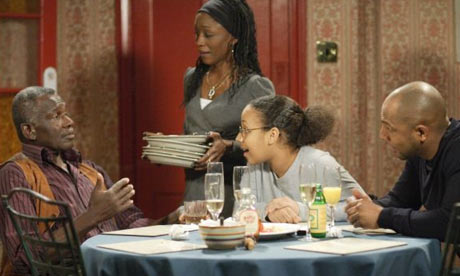 We also aim to attract audience members of different ethnicites and cultural backgrounds. We've chosen to do this through creating a culturally diverse soap, which includes characters with different lifestyles and beliefs coinciding with other stereotypical soap characters. This creates a sense of verisimilitude in our soap and reflects the reality of society.
One soap opera that influenced the inner working of our own soap was Eastenders. Eastenders targets a mass audience across the UK and is the most culturally diverse soap opera on TV today. The fact that Eastenders has won multiple awards, including 6 BAFTA awards, shows that there is a strong correlation between the characters and success of the soap. For this reason, we decided that incorporating characters from different ethnic backgrounds would benefit our soap through attracting a wider range of audience members.
Thursday, 8 December 2011
Soap Trailer Brief
About Our Soap
After mapping our thoughts and ideas for the theme and content of our soap opera, we decided as a group that we wanted to take something old and out-of-date, and turn it into something new and modern. For this reason, we chose to base our soap in a small, rural village that stretches along a road called 'Mill Lane'.
 The difference between our soap and existing soaps like Emmerdale is that the location of the soap, and the characters and storylines of the soap are conventional opposites. In our case, the location is rural, isolated and very small. But the characters spread over several generations and the storylines are exciting, extreme and shocking. The location is the old fashioned theme, while the characters who live in the location and the dramatic relationships between them introduce a fresh twist to the traditional soap.
'Mill Lane' is the residential area of all the characters in the soap. It only consists of housing and some greenery. 'Broomfield Mill' is located at the end of 'Mill Lane' and is sometimes referred to as 'The Mill'. The area is mainly public footpaths, large fields and farm housing. 'The Kings Arms' pub is the hot spot of Mill Lane, and tends to be the only location that residents of 'Mill Lane' gather for social events and celebrations.
Storylines and Characters
The Trailer
The trailer for Mill Lane will introduce several storylines. The main storyline will be the introduction of a new resident called Rachel Mannings. We created this storyline as Rachel's appearance on 'Mill Lane' disturbs the predictable, peaceful lifestyle of the existing residents and characters.
The less important storyline involves a series of secrets shared between the characters Jennifer Ward, Charlie Collins and Barry Brooker. The dilemma is centred around Jennifer, as she has had an affair with both men and is now pregnant with a child. The cliff-hanger is not knowing which of the two best friends is the father of Jennifer's baby, and entices the audience to want to find out who the father is and how the characters will react when the news breaks out.
The First Episode
The purpose of our particular trailer is to advertise the storylines and events that take place in the first episode of Mill Lane. The same storylines, involving Rachel Mannings and Jennifer Ward, will take up the majority of the first episode. The rest of the episode will be focused on getting to know the personalities and lifestyles of as many characters in the soap as possible.
After mapping our thoughts and ideas for the theme and content of our soap opera, we decided as a group that we wanted to take something old and out-of-date, and turn it into something new and modern. For this reason, we chose to base our soap in a small, rural village that stretches along a road called 'Mill Lane'.
This idea was inspired by the soap opera Emmerdale, as it started as a small farm-based soap with a very small selection of characters. As it became more popular, it expanded to a village setting and gained more residents and storylines.
 The difference between our soap and existing soaps like Emmerdale is that the location of the soap, and the characters and storylines of the soap are conventional opposites. In our case, the location is rural, isolated and very small. But the characters spread over several generations and the storylines are exciting, extreme and shocking. The location is the old fashioned theme, while the characters who live in the location and the dramatic relationships between them introduce a fresh twist to the traditional soap.
The Location and Lifestyle
The name of the soap is called Mill Lane, as it informs the audience of the location of the soap. Mill Lane is divided into 3 main locations: The road 'Mill Lane' itself, 'Broomfield Mill' and 'The Kings Arms' pub.
'Mill Lane' is the residential area of all the characters in the soap. It only consists of housing and some greenery. 'Broomfield Mill' is located at the end of 'Mill Lane' and is sometimes referred to as 'The Mill'. The area is mainly public footpaths, large fields and farm housing. 'The Kings Arms' pub is the hot spot of Mill Lane, and tends to be the only location that residents of 'Mill Lane' gather for social events and celebrations.
Storylines and Characters
The most exciting part of Mill Lane is the characters and how they interact with each other to create storylines. The characters range from a young, essex female to an elderly farm owner. The conflict between characters, due to age, ethnicity, beliefs and interests, means that we can cook up a huge variety of interesting and engaging storylines that will captivate our audience members, no matter who they might be.
A quick and easy way to describe what our soap opera contains is to call it a hybrid between Hollyoaks and Emmerdale.
The trailer for Mill Lane will introduce several storylines. The main storyline will be the introduction of a new resident called Rachel Mannings. We created this storyline as Rachel's appearance on 'Mill Lane' disturbs the predictable, peaceful lifestyle of the existing residents and characters.
The less important storyline involves a series of secrets shared between the characters Jennifer Ward, Charlie Collins and Barry Brooker. The dilemma is centred around Jennifer, as she has had an affair with both men and is now pregnant with a child. The cliff-hanger is not knowing which of the two best friends is the father of Jennifer's baby, and entices the audience to want to find out who the father is and how the characters will react when the news breaks out.
The First Episode
The purpose of our particular trailer is to advertise the storylines and events that take place in the first episode of Mill Lane. The same storylines, involving Rachel Mannings and Jennifer Ward, will take up the majority of the first episode. The rest of the episode will be focused on getting to know the personalities and lifestyles of as many characters in the soap as possible.
Soap Opera Trailer Flowchart
I've created a flow chart for the sequence of our trailer to allow us to visually organise and structure how we want our trailer to run. The characters are linked with at least one other character in the trailer, and are connected with arrows to show that there is a relationship between them.


(click to enlarge)
As a group, we've decided that making one character the focus of the trailer would be the most realistic way of linking the characters together. We've chosen Rachel Mannings, as her brassy personality and bad attitude make it easy for the characters of Mill Lane to share a hatred for her.
Rachel's entrance to the soap is a perfect example of Todorov's narrative theory of equilibrium. In the trailer, the residents of Mill Lane all have their problems and little dramas, but are generally peaceful and live in a state of equilibrium. This is portrayed through the natural and high key lighting associated with the existing residents before they are aware of Rachel's move to 'Mill Lane'.
Rachel Mannings' entrance to the area is the disturbance of the equilibrium, and already begins to create conflict between the characters upon arriving at 'Mill Lane'.This conflict between the local residents and Rachel is the recognition of the disturbance, and the locals are able to realise that her moving to 'Mill Lane' will disturb the tranquillity of the countryside and will affect their happiness and lifestyle.


(click to enlarge)
As a group, we've decided that making one character the focus of the trailer would be the most realistic way of linking the characters together. We've chosen Rachel Mannings, as her brassy personality and bad attitude make it easy for the characters of Mill Lane to share a hatred for her.
Rachel's entrance to the soap is a perfect example of Todorov's narrative theory of equilibrium. In the trailer, the residents of Mill Lane all have their problems and little dramas, but are generally peaceful and live in a state of equilibrium. This is portrayed through the natural and high key lighting associated with the existing residents before they are aware of Rachel's move to 'Mill Lane'.
Rachel Mannings' entrance to the area is the disturbance of the equilibrium, and already begins to create conflict between the characters upon arriving at 'Mill Lane'.This conflict between the local residents and Rachel is the recognition of the disturbance, and the locals are able to realise that her moving to 'Mill Lane' will disturb the tranquillity of the countryside and will affect their happiness and lifestyle.
Monday, 17 October 2011
Poster Planning
Based on the information and knowledge obtained through analysing existing soap opera posters, I have created a plan for the layout of our own poster display, and an improved plan with specific details and thoughts on what type of techniques would be best from promoting our particular soap.
Thursday, 13 October 2011
Detailed Magazine Cover Example
Using a programme called G.I.M.P. (GNU Image Manipulation Programme), I have created a detailed impression of what our TV listing magazine might look like. The images were collected from various websites, and I have added special effects to create a realistic magazine display.
Strengths
- The special effects (eg. the white glow around the celebrities, the shadows behind the shapes and fonts, etc.) highlight certain stories and events, and make the magazine cover more flashy and appealing.
- The use of bright and vibrant colours ensures that the magazine would stand out on the shelves.
Weaknesses
- There is a lot of space around the images and cover lines that could be used up.
- The bar code in the left-third could be smaller to allow room for another cover line.
Improvements
- Add more cover lines and stories to the front cover to add to the business of the page.
- Reduce the size of the bar code and move it to the side to allow room for more important information and TV show gossip.
Monday, 10 October 2011
Magazine Cover Planning
Based on the information and knowledge obtained through analysing existing TV listing magazines, I have created a plan for the layout of our own magazine cover, and an improved plan with colour and specific details.
MAGAZINE COVER PLAN 1
MAGAZINE COVER PLAN 1
- The first plan clearly shows where each feature will be positioned on the cover
- The quirky shapes around the selling price and cover lines attract attention to the important features and storylines
- The left-third includes the masthead, the selling price, 2 cover lines and the magazine bar code. Keeping this information in this section of the magazine cover is important as the left-third is usually the only part of the cover that is visible when on the shelves.
- The main cover line is slightly slanted, emphasising the confusion and uncertainty of the storyline
- The magazine selling price is displayed twice to show off how affordable the issue really is
MAGAZINE COVER PLAN 2
- A variety of colours have been used to create a bright and attractive magazine display. Using vibrant colours also highlights key features and storylines
- Using question marks and exclamation points engages with the reader by asking them questions and promising them a juicy read
- The bold outlines used around the cover lines contribute towards the business of the page and the colourful display
- The colour red used in the masthead is a generic convention that is traditionally used in existing soap magazine covers (eg. What's on TV, TV choice, Soaplife, etc.)
Tuesday, 4 October 2011
Soap Opera Poster Analysis
Using media terminology, I have analysed 1 soap opera poster to obtain a clearer understanding of the generic conventions used in soap advertising, and 1 poster promoting a brand new TV series to distinguish the types of techniques that should be used when advertising a new show.
Saturday, 1 October 2011
Thursday, 29 September 2011
TV Listings Magazine Cover Analysis
Prior to creating or planning our product, I have analysed front covers of existing TV listings magazines to obtain a better understanding of what generic conventions should be used on our front cover.
Tuesday, 20 September 2011
Soap Opera Trailers Analysis
To understand the narrative theories and generic conventions used in soap opera trailers, I have analysed 3 soap trailers in detail using media terminology.
- - - - - - - - - - - - - - - -
Hollyoaks Fire
The trailer begins with a mid-shot of a young, blonde female wearing a white formal dress, which holds connotations of innocence. A slow paced, non-diegetic music piece begins to play. The pace and tempo of the music goes hand-in-hand with the pace of the editing and slow motion effects. The style of editing is used to juxtapose with the chaos and panic associated with fire.
The camera changes to a close up of her hands dragging along a white wall with her nails painted red, thus connoting violence. Her nail colour reflects the connotations of disaster and destruction associated with the trail of fire her fingertips leave behind her. We hear a non-diegetic, eerie whispering sound when the fire begins to spread. This informs the audience that something evil is about to happen.
The shot type changes to a close up of a flower pot catching alight. The flower represents innocence and beauty, and the fact that it is burning in the fire sends the message to the audience that innocent people will die in the event of a fire. We then see an over-shoulder shot of a male arguing with the female opposite him. He is dressed in a black suit, which holds connotations of death. The fact that fire is spewing out of his mouth suggests that the cause of the fire is linked to violence and arguments between characters.
The camera changes to another over-shoulder shot, this time with a blonde female in the centre of the frame. The blonde hair connotes innocence, whilst her red dress connotes violence and destruction. She aggressively flings her glass against the wall beside her, which sources another fire. This reinforces the idea that the cause of the fire is related to arguments between characters and acts of violence.
The final shot of the trailer is a long shot of various characters in a restaurant. Each character is dressed in black, red or white formal wear. These colours hold strong connotations of death, violence and innocence respectively. This goes accordingly with the disastrous setting around the characters and the events associated with a fire. The lighting is low key, creating a dark and villainous atmosphere.
The trailer uses Todorov's Theory of Equilibrium unconventionally. The first stage of equilibrium is missed out, and the trailer dives straight into the second stage, where the equilibrium is disturbed. Because the characters are so apparently oblivious to the burning building around them, there is no recognition of the disturbance and the trailer ends in the second narrative stage.
The camera angles are ones commonly used in soap opera episodes. Mainly close-ups, mid shots and over-shoulder shots were used as they keep the audience focused on the upper half of the character so they can monitor facial expressions, and receive certain messages from them.
- - - - - - - - - - - - - - - -
Hollyoaks Wedding
The trailer begins with a two-shot of the flower girls slowly walking down the aisle. This immediately tells the audience that the trailer is promoting a wedding. The females are wearing black formal wear and holding a bowl of black rose petals. These colours hold connotations of death, and are more likely to be associated with funerals. By using black as the main colour of a wedding, this trailer is using the theory of binary opposition to convey negative messages about the couple getting married.
There is non-diegetic music playing in the background throughout the trailer. The music is upbeat and lively, which juxtaposes with the dark and ominous atmosphere of the trailer.
We then see another two-shot of the best man placing a black rose on the groom's suit, which reinforces the idea that the wedding holds negative connotations. The shot changes to another two-shot of the bride descending down the aisle alongside a female protagonist, wearing a black wedding dress and a black veil. Their facial expressions are very sombre, which reflects the black setting around them.
The colour of the bride's dress also demonstrates how the trailer has used binary opposition to challenge the conventions used in a wedding by replacing a white wedding dress with a black wedding dress. Whereas a traditional wedding would hold connotations of happiness and purity, the wedding promoted in the trailer connotes sorrow and destruction.
The shot changes to a tracking shot of the bride's torso. This shot is important as it highlights the bride's pregnant state, and can alter the audience's interpretation of the wedding from being an act of love, to a safety net for the woman and her unborn child. This interpretation goes hand-in-hand with the atmosphere of the trailer, and could be referred to as the dominant reading in relation to the reception theory.
Later in the trailer, we see a shot of the sunlight creeping into the church through bars on the wall. The idea that the sunlight is being kept out of the church tells the audience that the dark atmosphere of the wedding is intentional, which juxtaposes with the traditional bright wedding. The bars hold connotations of imprisonment and restraint, which could be applied to the emotions of the bride and groom.
The camera changes to a close-up of the bride as she looks to her left, which leads into a point-of-view shot of a group of guests. Their facial expressions are a mixture of concern and false happiness, which reminds the audience that the wedding is portrayed in a negative light. As one of the female guests drops a porcelain doll, the shot changes to a close-up of the porcelain smashing on the floor. The foley effect is used to emphasise the sound of the smashing over the non-diegetic music. The smashing of the doll connotes the disaster that is associated with the wedding, and could be interpreted that there is a relation between the toy doll and the baby.
A couple of shots later, a birds-eye-view is used to show the black trail of the wedding dress as the bride walks down the aisle. We see lit candles in black wire frames at the sides of the altar, which contribute towards the gothic mood of the wedding.
The camera then changes to another close-up of the bride's face as she looks to her right, which leads into another point-of-view shot of a different group of guests. The facial expressions are very similar to those of the other guests, which is a mixture of solemnity and false happiness.
The shot changes to a close-up of a male figure as he waves at the bride with a facial expression of genuine joy. As the bride continues down the aisle, his face slowly drops back into a grave expression. At this point, the music playing in the background of the trailer fades out to match the dissolving of happiness.
As the trailer continues, we see a close-up of a black wedding cake decorated with barbed wire. Like the bars on the wall of the church, the barbed wire holds connotations of imprisonment and restraint.
The last shot of the trailer is a close-up of the bride as she lifts the wedding veil away from her face. She is wearing dark eye make-up and dark jewellery, which connotes death and destruction. The colour of her lipstick is red, which could also be interpreted as holding connotations of danger and violence. The bride cries a black tear as she approaches the altar, which conveys her true emotions of unhappiness and sorrow. It is clear that the bride is central to the wedding, and her exposed feelings are conclusive of the atmosphere around her.
The music playing in the background ends on the words 'nice day for a white wedding', which again demonstrates the use of juxtaposition in the trailer. The shot then transitions into the final frame of the trailer, which provides information about the episode. The non-diegetic voice-over is whispered, which goes hand-in-hand with the ominous mood of the trailer. There are non-diegetic church bells faintly ringing in the background, which are iconically associated with the event of the wedding.
The editing pace of the trailer is slow as the duration of the shots are dragged out and the contents of the trailer are lethargic.
- - - - - - - - - - - - - - - -
Eastenders - Kat & Alfie
The trailer uses a series of paradigms to represent the spaghetti western sub-genre. These paradigms include the use of costume, music, props, setting, editing and camera angles throughout the text.
The trailer begins with an establishing shot of the Queen Victoria pub, which is the iconic central location of Eastenders. The non-diegetic music that begins to play has a very high pitch, while playing at a very slow pace. This creates an eerie and tense atmosphere. A newspaper rolls past the pub in resemblance to a tumble-weed, which is conventionally associated with the spaghetti western theme.
We see a red, triangular sign swinging upside-down on its final hinge. The diegetic sound produced is squeaky and rustic, which goes hand-in-hand with the state of the sign. The red colour of the sign and the pub hold connotations of danger. The combination of the music, the sign and the rolling newspaper creates a feeling of desertion and desolation. This atmosphere is reflective of one that would be used in a spaghetti western.
The shot changes to a tracking shot of a character walking in black boots. The heels on the boots suggest that the character is a female, and the cowboy style of the boots are reflective of the trailer's theme. The nature of the camera angle gives the female protagonist a sense of dominance, as the audience may feel intimidated by the concealment of the character's identity. This demonstrates how the trailer uses a degree of Marxism to position the audience below the character in the trailer by making the viewer feel intimated and inferior to the female character. The black colour of her boots hold connotations of death and destruction, which reinforces the idea that the antagonist is the dominant figure.
The camera changes to an over shoulder shot of a blonde female character looking through her window shutters at the antagonist. The female takes a sharp breath and quickly shuts her blinds. The female's reaction to the antagonist tells the audience that she is intimidated by her presence, and maybe even fearful of her. The shutting of the blinds show that the blonde female is in a domestic location, which shows the trailer's use of soap opera conventions.
The shot switches to a close-up of the female antagonist's boots as she comes to a stop. The lighting in the trailer used is natural, which combined with domestic setting creates a sense of verisimilitude. The colouration of the trailer is faded with the possibility of a sepia filter being applied during the editing stage of the clip. This has been done to reflect the colouring of an old, western film, and gives the trailer an aged effect.
The female antagonist drops her bag onto the ground, which is also heard diegetically. The pattern on her bag is leopard print, which juxtaposes with the atmosphere of the trailer by adding a modern twist to the western setting. The close-up of the boots then advances into a tilt from the ground up to the female antagonist's face. As the camera ascends up the character's body, the music playing in the background adopts a quicker pace, a louder volume and a lower pitch. The slow pace of the camera movement and the change in music adds tension to the reveal of the character.
At the end of the tilt, the female character is revealed. The darkness of her make-up and the black colour of her costume holds connotations of destruction and death, while the red colour of her lipstick connotes violence and danger. The poncho style of her outfit demonstrates the use of paradigms within the trailer that are used to convey the spaghetti western theme.
Kat's face carries a smug smile as she looks at her surroundings, which reinforces the idea that she is the dominant character of the trailer. The camera changes to a close-up of a male character placing down his drink, and then to an over-shoulder shot of a coloured male character looking in Kat's direction. The manor in which the characters stare in her direction suggests that she is seen as an outsider, and that her presence is unwelcome.
The camera cuts back to a close-up of the antagonist. We hear the non-diegetic sound of a female character laughing, and the antagonist looks to her left to follow the source of the sound. Her facial expression denotes annoyance, which may lead to the interpretation that the antagonist is a miserable or angry person. The shot changes to an over-shoulder shot of two female characters in conversation with each other. As the laughing female looks towards the antagonist, her smile drops and her facial expression turns into one of contempt.
At this point, the second female turns around to see what the source of the disturbance is with an expression of shock. The fact that their conversation was interrupted by the arrival of the female antagonist suggests that she has disrupted the peace and happiness of the town. The camera the reverts back to the antagonist as she continues to stare in the direction of the 2 female characters.
We then see Kat remove her poncho wrap to expose a revealing black and red vest. In this case, the red colour of her top holds connotations of romance and passion as it reflects the exposure of the female's cleavage. The shot then changes to a close-up of a wide-eyed male peaking through a set of shutters at the female character. He mutters the words "flipping heck", which indicates that he has sexual feelings for the female antagonist. The combination of the woman's exposed cleavage and the man looking at the female through closed blinds demonstrates the application of Laura Mulvey's 'Male Gaze Theory', which links into how gender has been represented in this trailer.
The camera reverts back to a close-up Kat Slater as she whips out a compact mirror. The Foley effect has been applied to emphasise the sound of the opening mirror, and to create a resemblance to the drawing of a gun, which then relates to the conventions used in a western film. The colour of the compact is gold, which symbolises confidence and social significance. Gold is also the colour of the character's bracelets and hoop earrings.
Later in the trailer, we hear the non-diegetic dialogue of a male protagonist. As the female antagonist hears his voice, she turns around to look in his direction. The camera changes to an over-shoulder shot of a male silhouette figure wearing a hat and long coat. His costume resembles that of which you may see in a western film, and again demonstrates how the trailer has used paradigms to follow the set of expectations associated with the spaghetti western genre.
The camera changes to a close-up of the character as he steps into the light. The tension of the reveal is matched by the increasing volume and pace of the non-diegetic music playing in the background, which then stops when the protagonist's face is exposed. We see him chewing on a toothpick out of the corner of his mouth, which suggests he has a very nonchalant persona.
The trailer begins to conclude with a voice-over, which is then followed by a series of shot-reverse-shots gradually tending towards extreme close-ups, and match the speed of the Eastenders soap opera jingle playing simultaneously. The editing pace throughout the trailer is generally slow, which is determined by the length of the shots and the events happening in the clip. However, as the trailer draws to an end, the editing pace increases to create a tense final scene.
Wednesday, 31 August 2011
The Purpose of a Trailer
Trailers can be used for television programmes, films, public events, products or other purposes. No matter what a trailer is used for, they all serve the same purpose - to promote something by reaching out to a large audience through advertisement.
History of Trailers
Originally, trailers were shown at the end of a film in the cinema. They were very short clips that mainly consisted of title cards and stock footage. They were seen as miniature episodes that may have been short storylines, cartoons or other forms of entertainment.
But as the cinema audiences began to leave after a film, trailers did not serve as much as a purpose being at the end of the film. They were then shown prior to a feature in the cinema and over time, began to hold much more content and serve the purpose to inform rather than entertain.
I will be looking at the purpose of a soap opera trailer and why they are used. To back up my points, I will also use images and soap opera trailers.
Promoting an event
Soap operas often use trailers to advertise an important event in the story-line. It can be a wedding, a funeral, a disaster, an introduction of a new character or something along those lines.
An example of an event being advertised is Archie and Peggy Mitchell's wedding in Eastenders.
History of Trailers
Originally, trailers were shown at the end of a film in the cinema. They were very short clips that mainly consisted of title cards and stock footage. They were seen as miniature episodes that may have been short storylines, cartoons or other forms of entertainment.
But as the cinema audiences began to leave after a film, trailers did not serve as much as a purpose being at the end of the film. They were then shown prior to a feature in the cinema and over time, began to hold much more content and serve the purpose to inform rather than entertain.
I will be looking at the purpose of a soap opera trailer and why they are used. To back up my points, I will also use images and soap opera trailers.
Promoting an event
Soap operas often use trailers to advertise an important event in the story-line. It can be a wedding, a funeral, a disaster, an introduction of a new character or something along those lines.
An example of an event being advertised is Archie and Peggy Mitchell's wedding in Eastenders.
The trailer does not reveal the outcome of the event or show any other story-lines in the soap opera. This appeals to the viewer's sense of curiosity and causes them to watch that particular episode.
Attracting new audiences
Another purpose of a soap trailer is to appeal to a new range of audiences. This may be done by airing the episode at a different time, advertising attractive characters and story-lines or lengthening a certain episode for a special show.
 The reason this technique works so well is because of socialising and word of mouth. When existing audiences hear that a particular episode is on at a different time or is twice as long, they discuss it with their friends, family or work colleagues. This, in turn, influences new audiences to want to watch that episode in order to relate to the existing audience and join in on a social level.
"We all do it. We share stories with others, gossip about a co-worker at the office, and tweet articles we find on-line to friends and family. But, what drives people to share, and why is some information shared more than others?
Jonah Berger, a Marketing Professor at U Penn's Wharton School has found the answer. In a paper published a few weeks ago in the journal Psychological Science, Berger reveals arousal has a lot to do with it. Simply put, when we are physiologically aroused we are more likely to share information with those around us.
Physiological arousal is defined as activation of the autonomic nervous system, which affects bodily functions such as heart rate and perspiration - think sweaty palms and a beating heart. As it happens, arousal, whether stemming from the content of the information we are sharing or another source all together, boosts the social transmission of information."
Article collected from www.psychologytoday.com, titled "Word of Mouth- What Makes Us Gossip?"
The Purpose of Our Soap Trailer
Using some of the ideas from above, our soap trailer will aim to attract new audiences through advertising an event.
Because our soap opera is brand new, there is not an existing audience. As creating a trailer is one tactic of reaching out to potential viewers, we will be aiming to attract as many audience members as possible by creating an engaging and interesting soap opera trailer.
The event we will advertise will probably be the introduction of a new character. This event is suitable for a new soap as a heavy, dramatic storyline could make it difficult for a new viewer to click with the soap. By starting off with a neutral storyline that generally gets more dramatic and tense, it represents the beginning of a film: easy to understand and keep up with.
Attracting new audiences
Another purpose of a soap trailer is to appeal to a new range of audiences. This may be done by airing the episode at a different time, advertising attractive characters and story-lines or lengthening a certain episode for a special show.

"We all do it. We share stories with others, gossip about a co-worker at the office, and tweet articles we find on-line to friends and family. But, what drives people to share, and why is some information shared more than others?
Jonah Berger, a Marketing Professor at U Penn's Wharton School has found the answer. In a paper published a few weeks ago in the journal Psychological Science, Berger reveals arousal has a lot to do with it. Simply put, when we are physiologically aroused we are more likely to share information with those around us.
Physiological arousal is defined as activation of the autonomic nervous system, which affects bodily functions such as heart rate and perspiration - think sweaty palms and a beating heart. As it happens, arousal, whether stemming from the content of the information we are sharing or another source all together, boosts the social transmission of information."
Article collected from www.psychologytoday.com, titled "Word of Mouth- What Makes Us Gossip?"
- - - - - - - - - - - - - - -
The Purpose of Our Soap Trailer
Using some of the ideas from above, our soap trailer will aim to attract new audiences through advertising an event.
Because our soap opera is brand new, there is not an existing audience. As creating a trailer is one tactic of reaching out to potential viewers, we will be aiming to attract as many audience members as possible by creating an engaging and interesting soap opera trailer.
The event we will advertise will probably be the introduction of a new character. This event is suitable for a new soap as a heavy, dramatic storyline could make it difficult for a new viewer to click with the soap. By starting off with a neutral storyline that generally gets more dramatic and tense, it represents the beginning of a film: easy to understand and keep up with.
Subscribe to:
Posts (Atom)